
This summer’s rainfall brought intense flooding, damaging infrastructure, and causing costly disruptions. It feels like it came out of nowhere, revealing just how quickly Alberta’s municipal drainage systems can be overwhelmed.
While you may have known that flooding is a consequence of extreme climate change, you may have thought this had to do with rivers rising over their banks. But as this summer reflects, heavy rainfall can hit far from our major waterways. When more stormwater hits than our streets, pipes, culverts, and natural drainage areas can absorb or carry, devastating sewer back-ups and infiltration can follow.
In short, stormwater management is moving up the agenda. Councils will need to make decisions affecting infrastructure investments, risk management, land-use planning, and community resilience.
The Alberta Climate Leaders Elected Officials Peer Network (EPN) invites municipal elected officials from across Alberta to join a timely discussion on natural and hybrid stormwater management systems. Explore how communities can reduce risk, manage costs, and create broader community benefits through innovative infrastructure and natural asset approaches.
Eligible elected officials are invited to join the network to receive a link to the Sep. 21, 2026 meeting.
Looking Beyond Drainage
This session will begin with a practical Alberta-focused discussion connecting stormwater management with flood risk, drought readiness, infrastructure costs, public safety, community well-being, and council decision-making.
Participants are invited to draw on their own recent experience to explore why stormwater should be viewed by municipalities, not only as an engineering challenge, but as a key factor in broader issues of community resilience and fiscal responsibility.
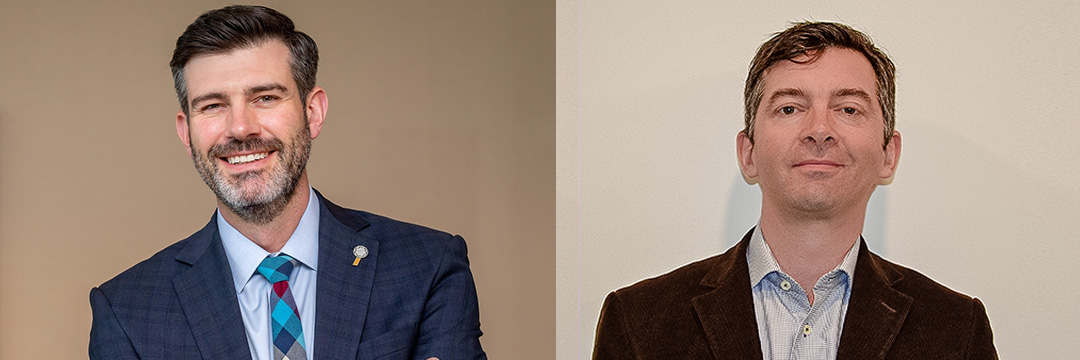
Participants will hear from Don Iveson of The Co-operators Resilience Acceleration Lab, an initiative that advances climate resilience through private investment and innovation. The lab works with communities to accelerate resilient infrastructure projects, including stormwater and wastewater systems, community energy systems, long-term care facilities, and agricultural infrastructure. As a former Edmonton mayor, Don will share how stormwater projects can be viewed as strategic investments that deliver broad economic, environmental, and social benefits.
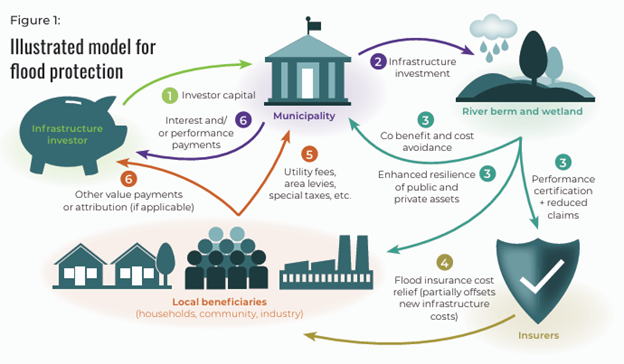
Source: Mobilizing private capital for climate adaptation infrastructur
The session will also feature Roy Brooke, Executive Director of the Natural Asset Initiative (NAI), an award-winning Canadian non-profit. NAI helps local governments across Canada identify, value, and account for natural assets within asset management and financial planning processes. Natural assets include wetlands, riparian areas, and natural drainage systems. Roy will show how these can complement traditional infrastructure to improve resilience. Communities such as Red Deer have already begun applying these approaches to build a shared vision for natural asset management.
These two presenters offer practical insights into how infrastructure, natural assets, and resilience planning can work together to support safer, more resilient, and financially sustainable communities.
Reflect in Advance
Meeting host, Councillor Tanya Foubert will begin the session by reflecting on the Town of Canmore’s recent flood experience and open up the discussion to hear from participants about stormwater and extreme weather challenges emerging in their own regions. To help ground the conversation in local realities, participants are invited to consider the following questions before the session:
- What stormwater, flooding, drainage, drought, or extreme weather issues are showing up in your community right now?
- How is it affecting your community, and what responses are being discussed or tried?
- How are these challenges impacting municipal infrastructure, public safety, community well-being, or local budgets?
- Are there opportunities to use natural assets or hybrid infrastructure approaches to improve resilience and reduce long-term risk?
- What new or existing funding or financing avenues are available to your community to advance projects like this?
We look forward to hearing your reflections.